A short social video can still carry complex information clearly if text, pacing, and perspective are doing the work together.

Some messages are harder to shape for social because the goal is not just to catch attention. It is to help people understand something important quickly and clearly.
That was the challenge behind a recent National Poison Prevention Week campaign we created in partnership with Parachute. The videos needed to carry a lot of useful information in a short social format, without voiceover, and with more than one language version to consider. There was a lot to say, and not much room to say it.
That tension shaped the whole approach.
When a video has a lot to communicate, the most common move is also the most obvious one: put the message on screen and hope people keep up. Sometimes that works. Often it does not. Too much overlaid text can make a piece feel heavier than it needs to. It slows the pacing. It pulls the viewer out of the story. And instead of helping the message land, it can make the whole thing feel like something to get through.
For this project, that was never going to be enough. The information mattered too much, and the format was too short, to treat text like a disparate storytelling layer.
On-screen text works differently when it is treated as part of the art rather than something layered on top of it. It can carry information while still supporting mood, pacing, and visual continuity.
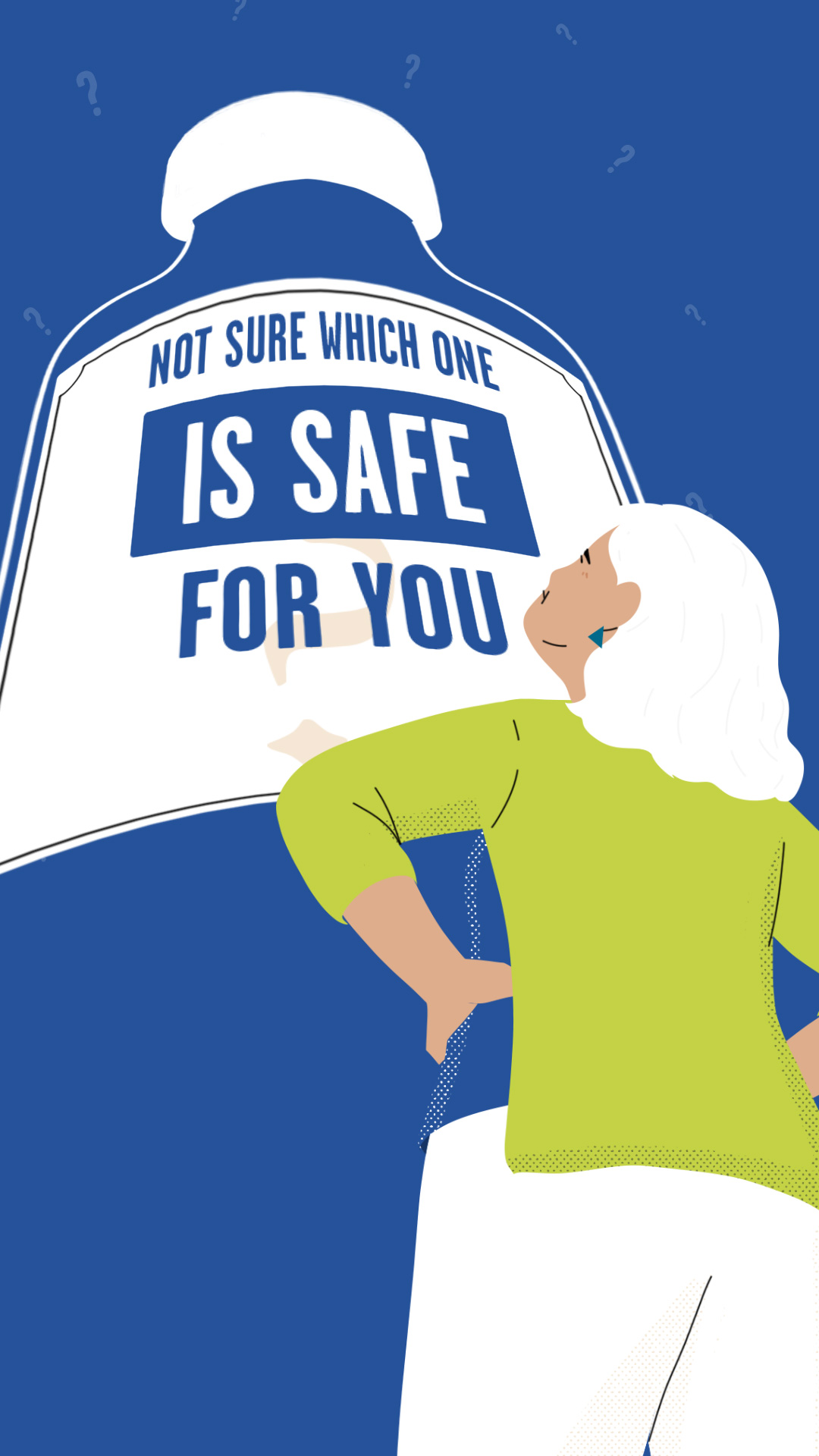
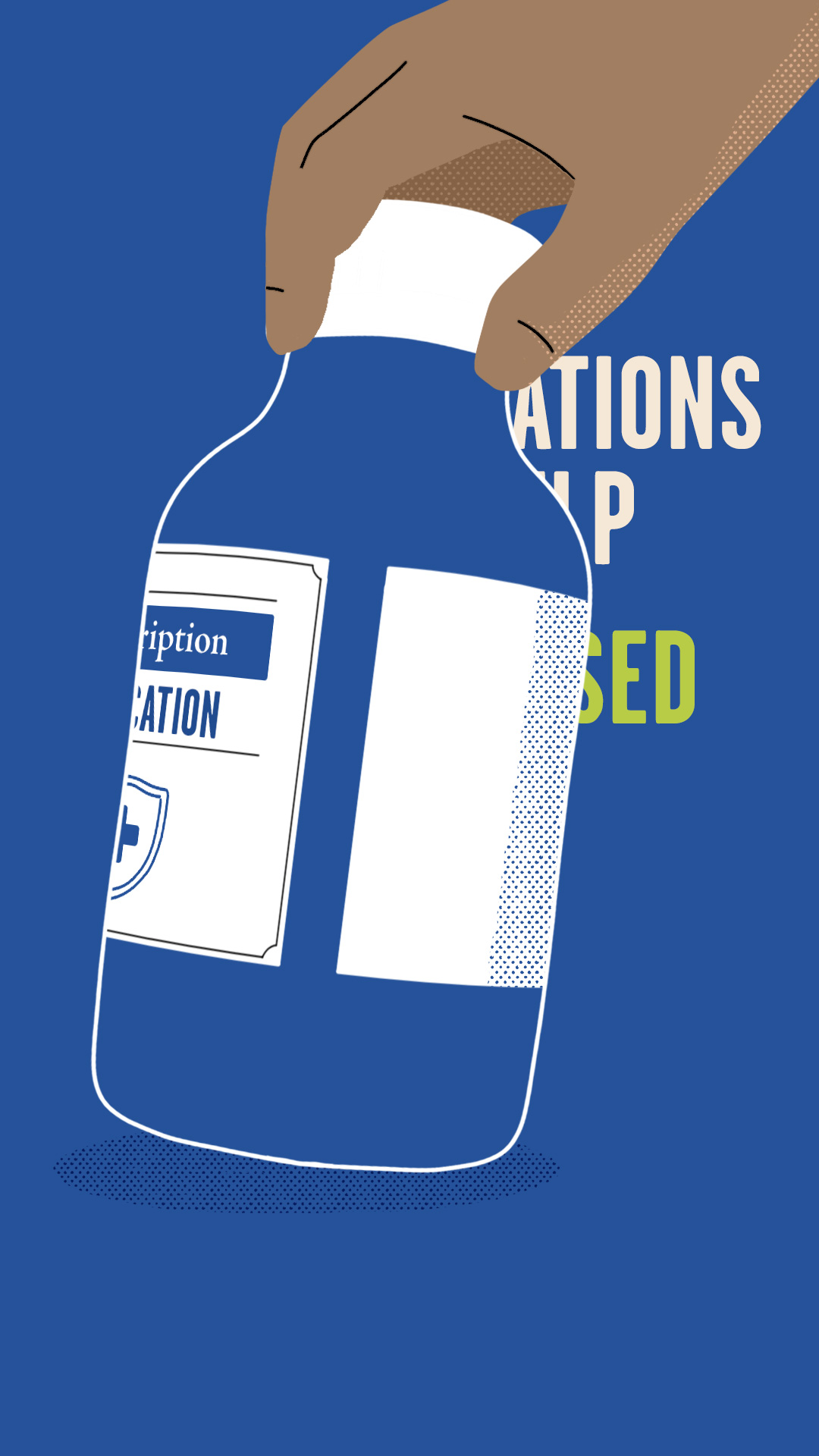
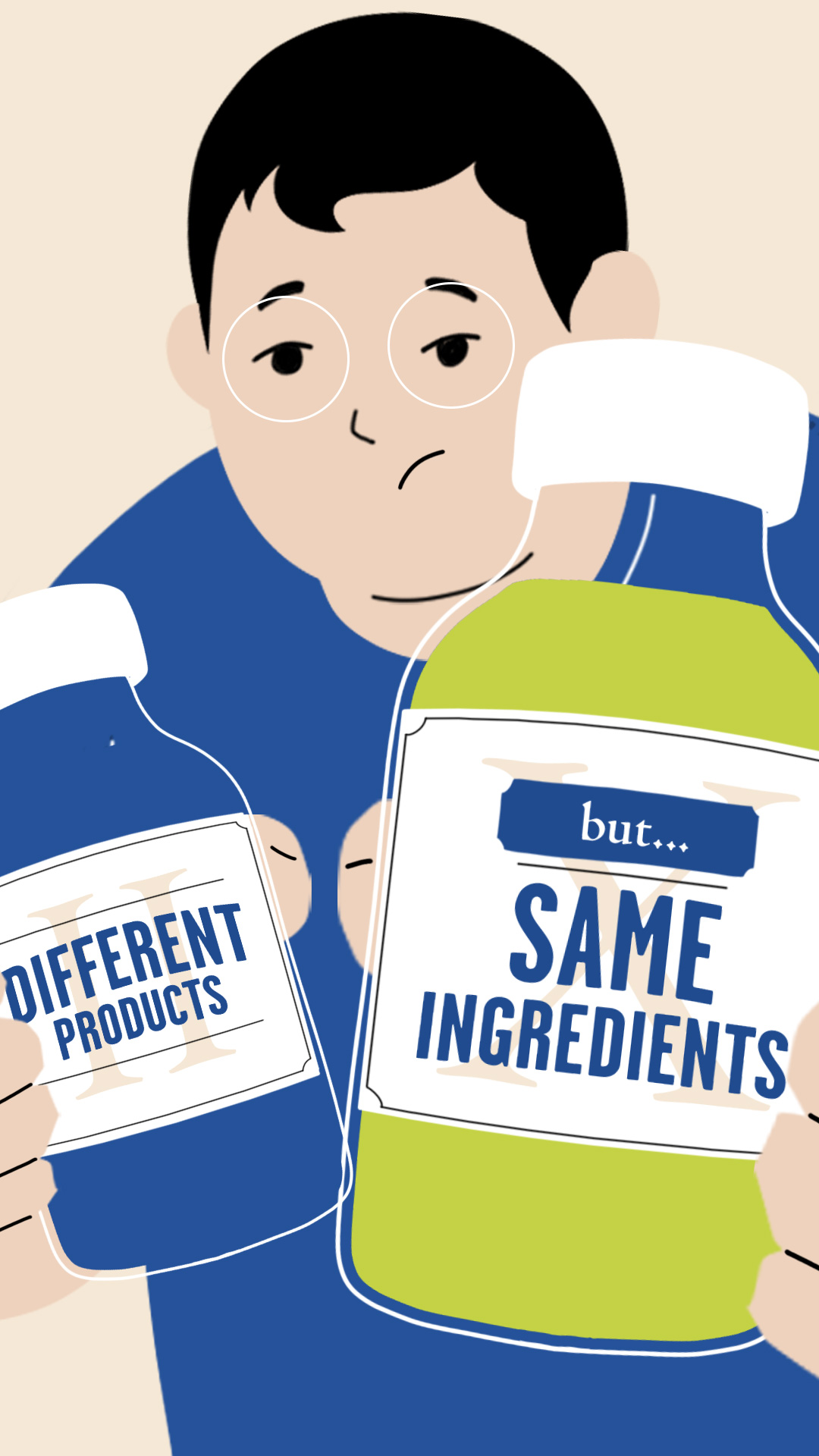
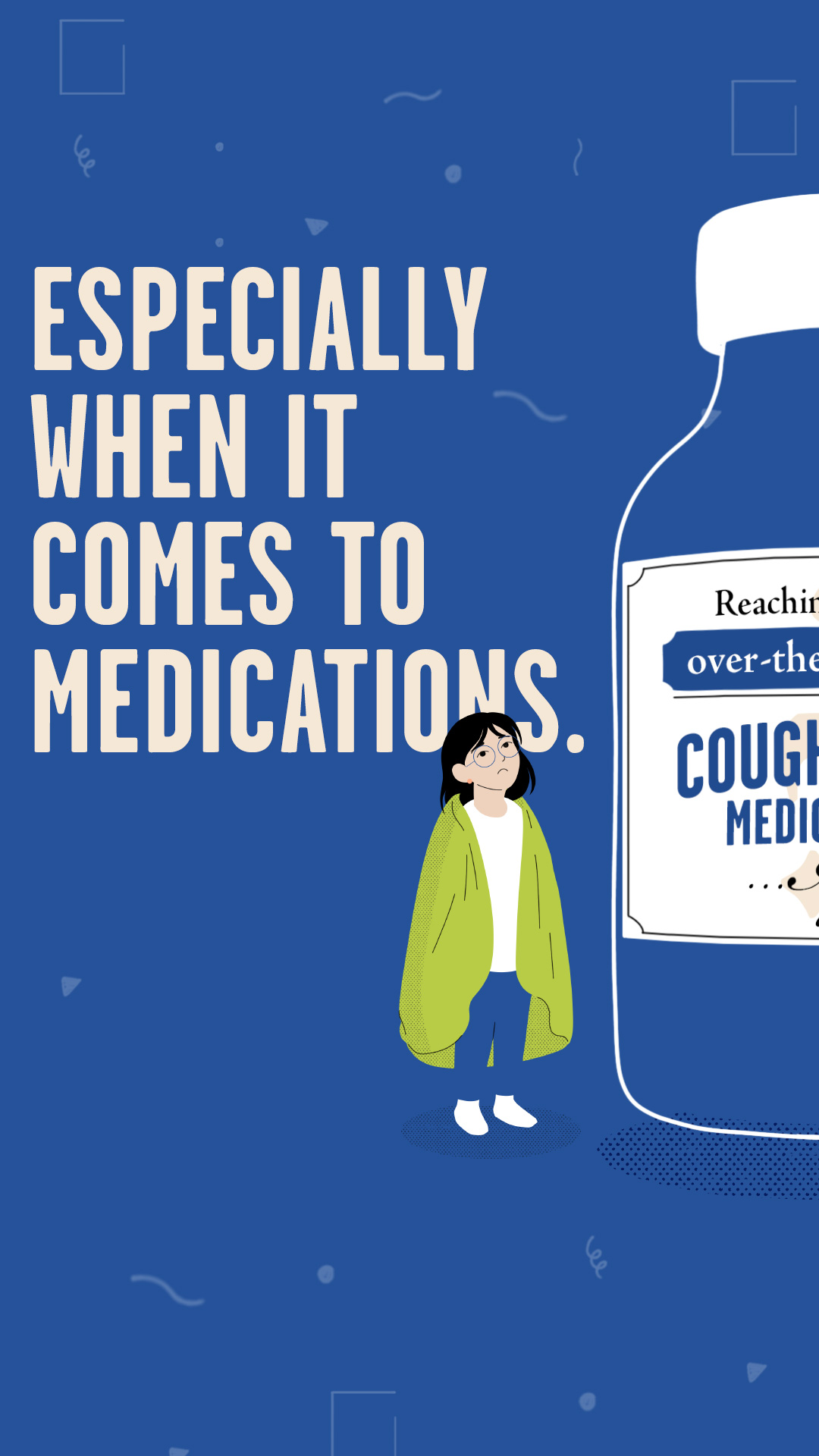
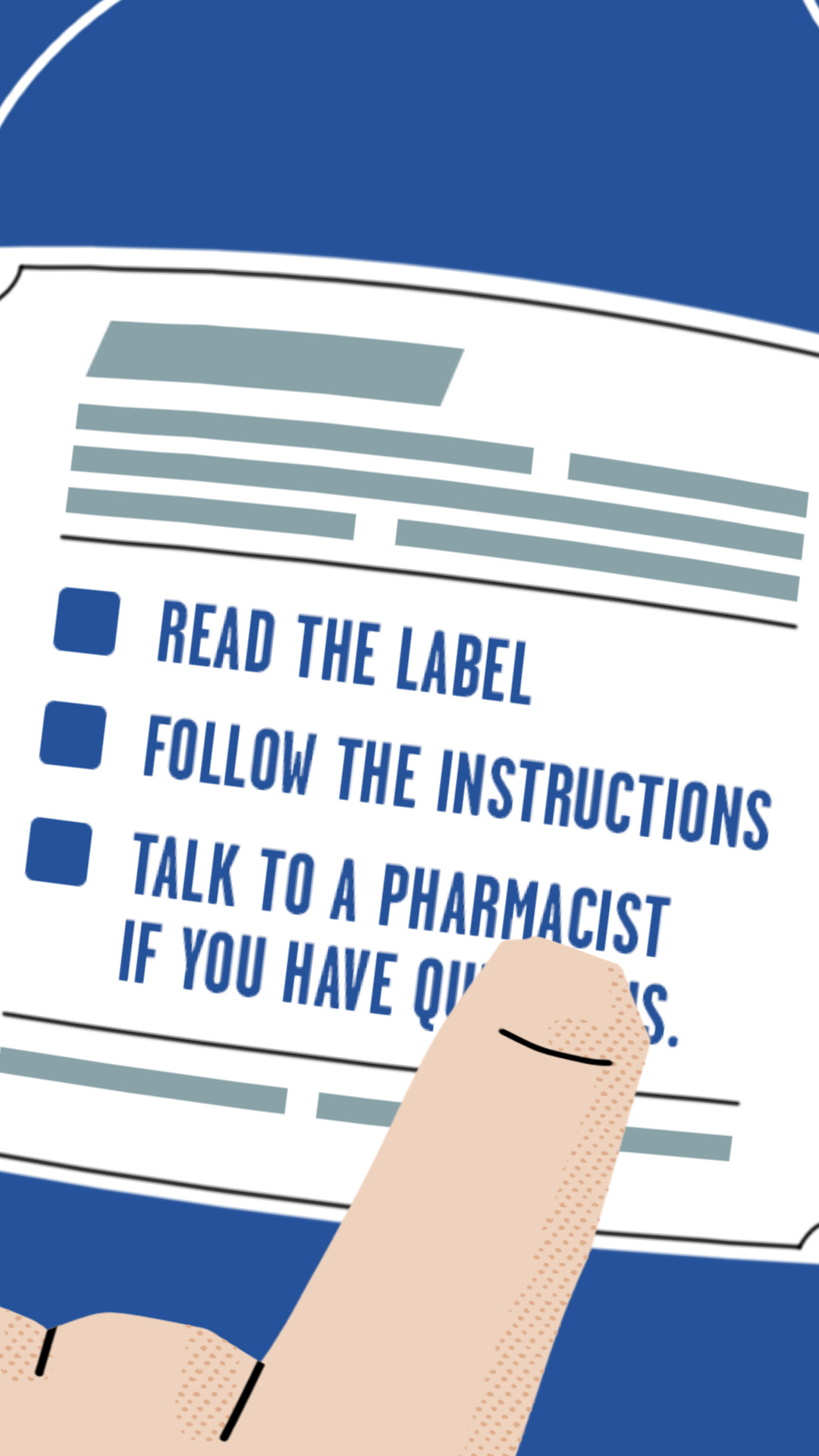
In this piece, the text lived on bottles, inside transitions, and within the rhythm of each scene. That gave the copy a place to belong. It also made the pacing feel more natural because the viewer was not constantly switching between watching motion and reading text.
In other projects, including our Audible Reimagined campaign, we’ve seen how typography can do more than present information. With the right movement and pacing, it can take on a role inside the storytelling itself.
That difference is more important than it seems.
When typography feels pasted on, the message can feel separate from the idea. When it feels built into the world of the piece, the story and the information start working together. In this case, that helped the videos hold onto important details without feeling overloaded.
A lot of social video has to make sense without sound first. People are scrolling fast, watching in different environments, and not always giving a piece their full attention right away. That means the visuals need to start carrying the message early.
On this project, the lack of voiceover made that even more important. Composition, timing, transitions, and on-screen type all had to do more of the storytelling. Sound and music could support the piece, but the message could not rely on narration to make it clear. That ended up being a useful constraint. It pushed the work toward a more visual
Unique camera angles can be a strong visual hook, especially in short-form work where the first few seconds matter. They are also something you do not always see pushed this far in animation.
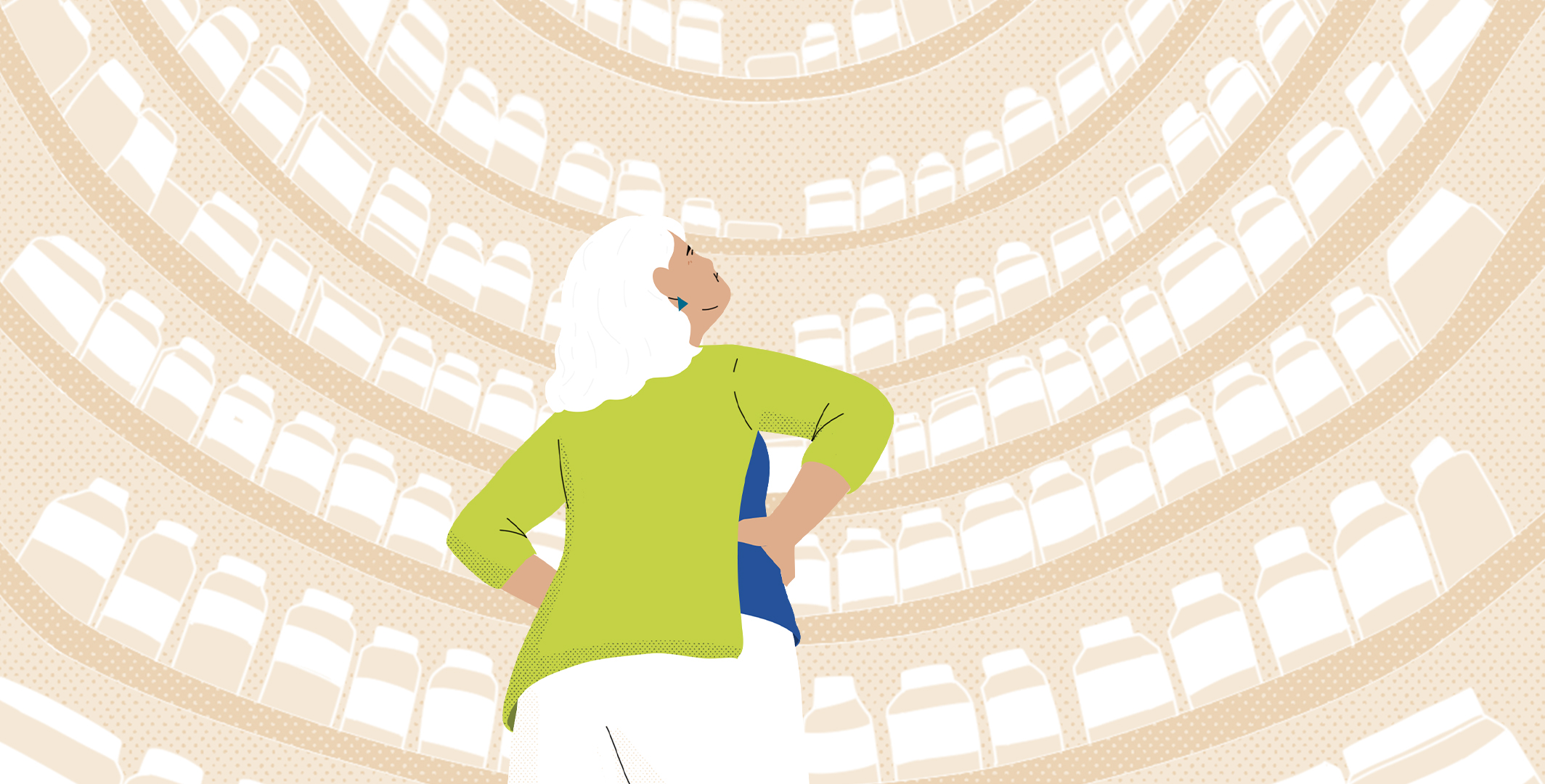
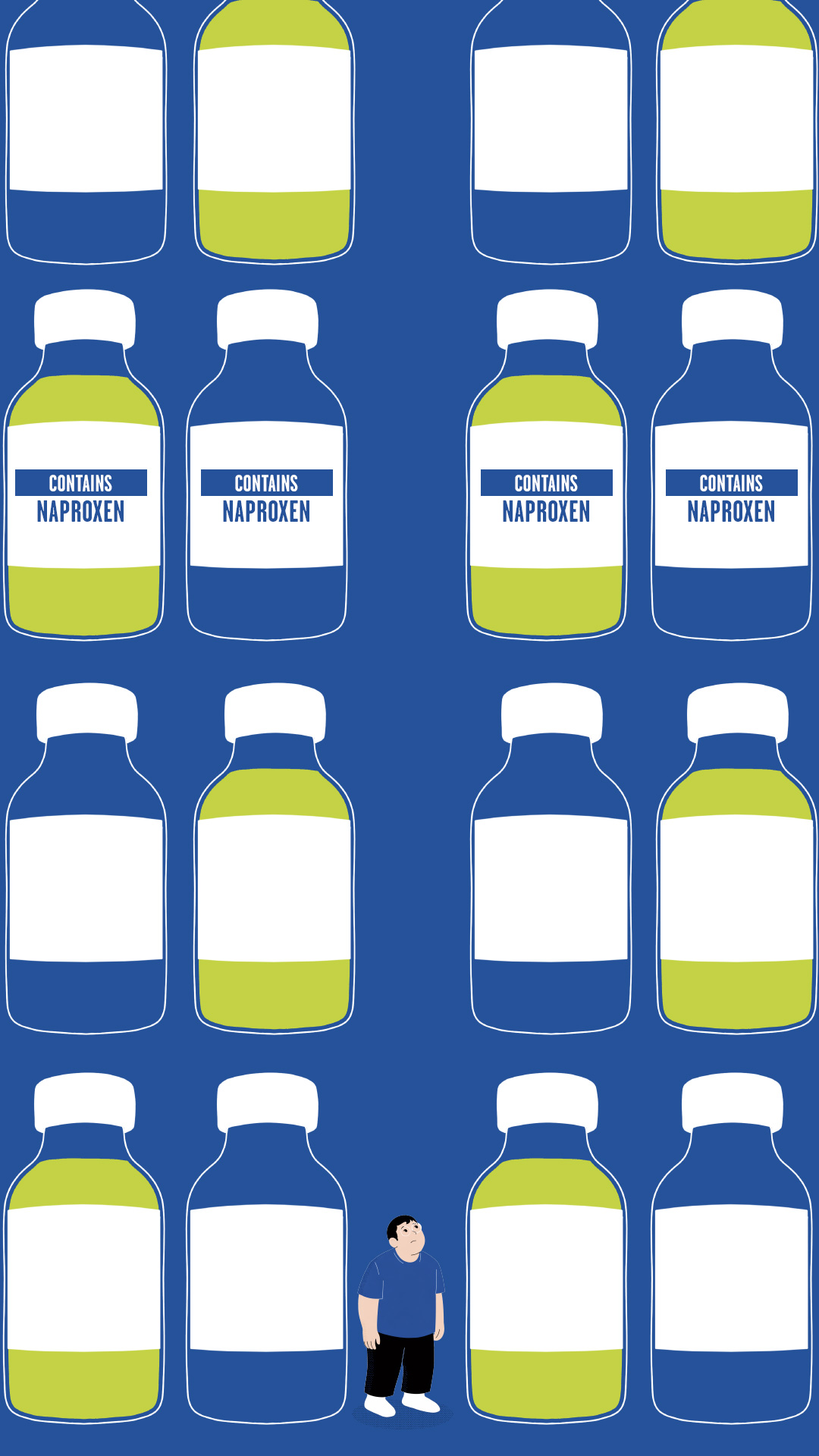
In this piece, unusual angles, changes in scale, and immersive points of view helped communicate the emotional side of the message, not just the factual side. Bottles could feel larger. Spaces could feel tighter. A medicine cabinet could become a more overwhelming place to look into. That gave the videos a more cinematic quality, but it also helped set the emotional context early.
It’s easy to miss when talking about craft, but it is worth calling out. Camera choices are not only about making a piece look polished. They can help a viewer understand what a moment feels like before they have fully read every word on screen. In a short-format piece, that kind of help goes a long way.
Multilingual work tends to go more smoothly when translation is treated as part of the creative process, not just part of delivery, especially when the words are closely tied to the design.
When a piece relies heavily on on-screen text, translation is not just a final production step. It affects layout, pacing, composition, and how comfortably the message can live inside the design. The earlier that reality is considered, the easier it is to build something that still feels intentional across versions.
That does not mean everything needs to be solved up front. But it does mean versioning should influence the creative system earlier than many teams expect.
A concept may work beautifully in one language, then start to strain once a second version is introduced. Building for that earlier usually leads to a smoother process, a shorter path to market, and a more consistent visual system across versions.
When a social video needs to carry a lot of information, the answer is not always to cut it down. Sometimes the better move is to shape it more carefully, and to lean on what illustration, design, and animation can bring to the storytelling so the message stays clear and watchable.
Working without voiceover can push that further. It asks the visuals, pacing, and on-screen text to carry more of the message on their own.
And when the message carries emotional nuance as well as information, perspective can do more than decorate a frame. Used in service of the campaign goals, changes in scale, camera angle, and point of view can help the visuals and text work together, rather than simply showing up on screen at the same time.
Clarity does not always come from simplifying everything down to the lowest common denominator. Sometimes it comes from giving the message a stronger shape, a clearer rhythm, and a visual world that helps people move through it.
That matters even more in social, where people make a split-second decision about whether to keep watching.
When the information, pacing, typography, and perspective are all working together, the message has a better chance of feeling clear from the start.
If you are working through a message that feels important, nuanced, or hard to simplify, you are not alone. Often the challenge is not the message itself. It is finding the right creative system to carry it clearly.
That is the kind of problem we like helping teams think through.
Want to talk about an upcoming campaign?